/ Les voix de la maison

Des écritures qui habitent les espaces liminaires

Chaque auteur publié chez Nightlore apporte une grammaire nocturne singulière — non pas un genre, mais une façon de tenir la frontière entre le souvenir et la fable.
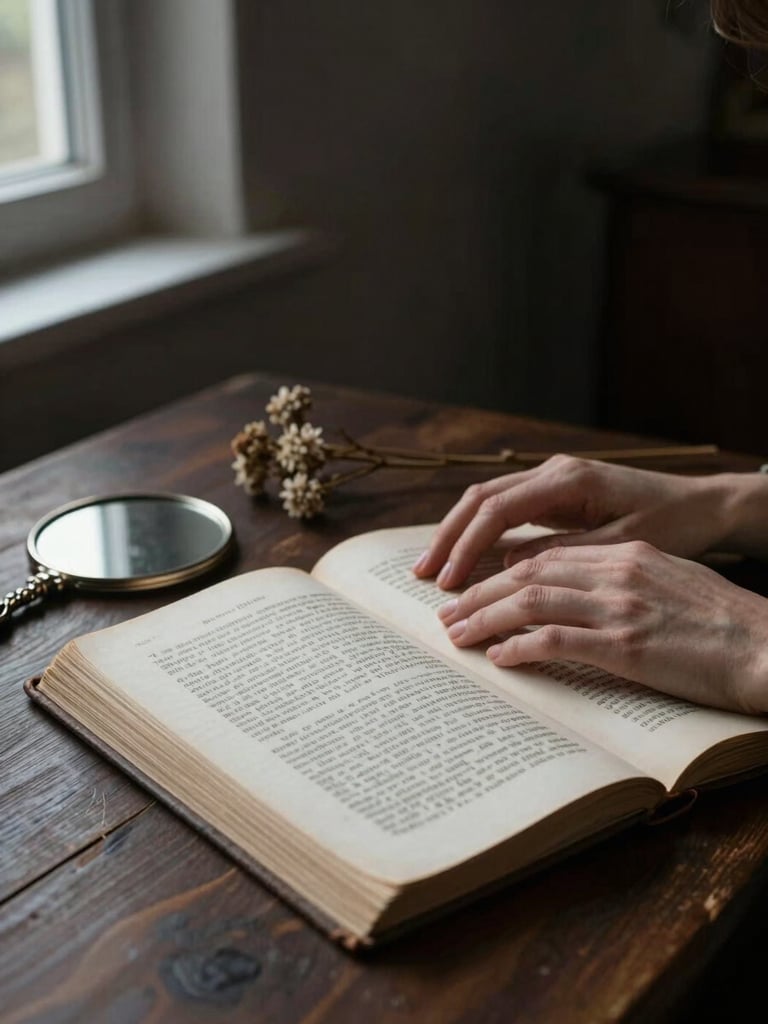
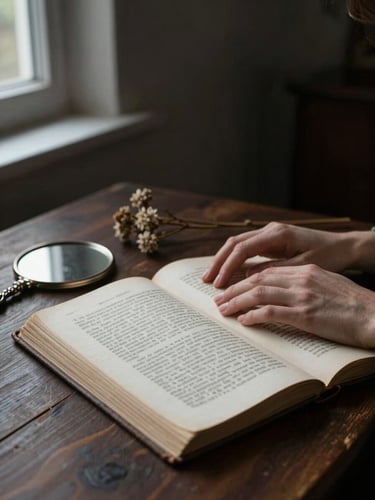
Close portrait of a woman's hands resting on an open manuscript on a dark wooden table, a small hand mirror and a dried sprig of flowers beside the pages, cool moonlight entering from a narrow window at the left edge of frame, deep shadow behind, aged paper texture visible, no face shown — intimate and observed
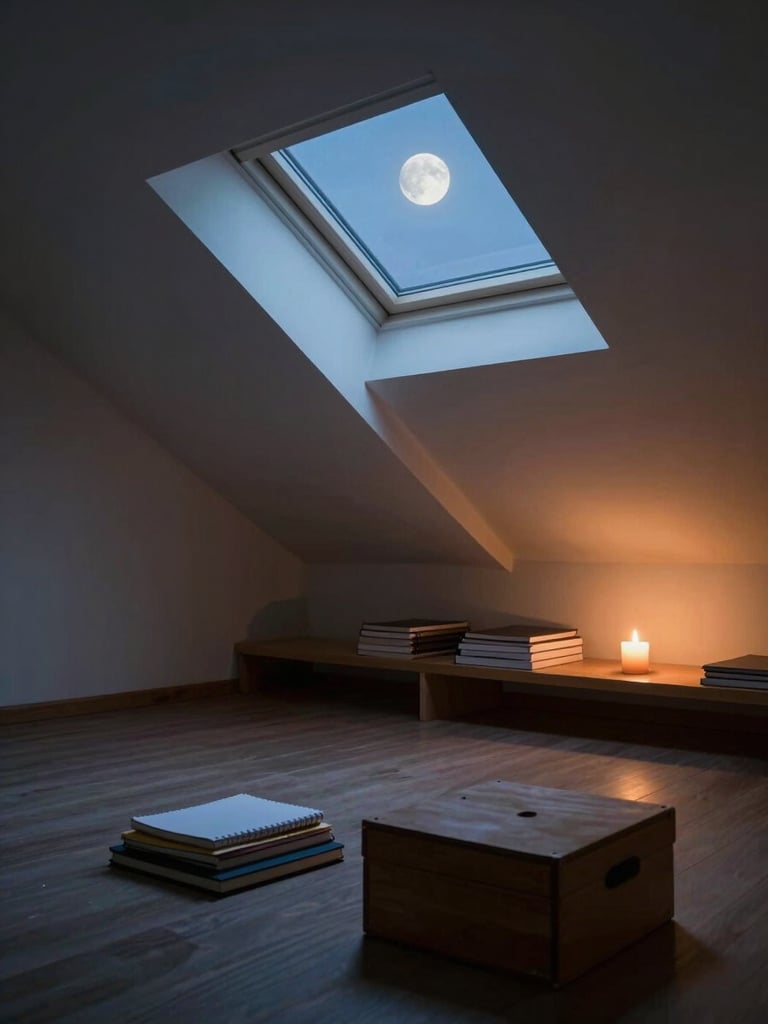
Wide shot of an empty attic writing space at night, a single candle burning on a low shelf to the right third of the frame, stacked notebooks and a closed wooden box in the foreground, pale blue moonlight seeping through a small skylight above, deep shadow in the corners, no human presence — still and expectant
Auteure publiée

Melissa Waters

Ses nouvelles traversent l'enfance comme on traverse une maison la nuit — à tâtons, en devinant les objets avant de les voir. Sélénances, son premier recueil, tisse sept rêves en une seule mémoire.

Elle écrit depuis les marges du réel : les caves, les greniers, les miroirs qui retiennent trop longtemps l'image de ceux qui partent.

Auteur à paraître

À venir — voix en préparation

Le prochain titre Nightlore se construit dans le silence d'un atelier. Chaque manuscrit accepté passe plusieurs saisons entre l'auteur et l'éditeur avant de prendre sa forme définitive.

Nous annoncerons le nom et l'œuvre quand le texte sera prêt à être lu — pas avant.

Un texte ne se publie pas — il se travaille, saison après saison

L'éditeur et l'auteur avancent ensemble dans le manuscrit comme on avance dans une maison inconnue : avec attention, en nommant ce qu'on voit avant de décider ce qui reste.

Ce qui lie les auteurs Nightlore n'est pas un registre ni une esthétique commune — c'est une exigence partagée : que chaque phrase mérite d'être relue à la lumière du lendemain.